Prepare Your 3PL for Peak Season: Top 10 Tips from Barrett Distribution

Katherine Wroth • October 7, 2024

According to a report by Convey, nearly 40% of consumers say they’ll abandon a brand after a negative delivery experience during peak season.


Let’s be honest—peak season is one of the most demanding and exciting times of the year, but your 3PL partner can make or break your business’s success during this period. For over 80 years, Barrett Distribution has been a trusted 3PL partner, helping businesses of all sizes navigate the complexities of peak season. With the right preparation, you can avoid many headaches and costly disruptions. Here are 10 practical tips to help ensure your 3PL provider is ready to meet peak season demands:


1. Collaborate on Early Forecasting and Demand Planning


Work closely with your 3PL to analyze previous peak season data and current market trends. Accurate forecasting of inventory levels and order volumes will help you avoid the pitfalls of stockouts or overstocking, helping your operations flow efficiently during the rush.
 

2. Optimize Warehouse Space and Layouts


Discuss warehouse space optimization with your provider. Efficient space use is key during peak season, so double-check that your 3PL implements smart slotting strategies and efficient storage solutions for faster picking and packing

 
3. Ensure Flexible Staffing Capabilities


Ask your 3PL about their staffing plans for peak season. Cross-trained staff and temporary workers can manage the spike in order volume, keeping operations steady and fulfillment on schedule.


4. Prioritize Seamless Technology Integration


Ensure your 3PL’s technology is fully integrated with your systems. Real-time order tracking, inventory counts and automated reporting are essential tools to help you maintain complete visibility and control during the busiest times.


5. Leverage Strong Carrier Relationships


Check with your 3PL about their carrier partnerships. Priority shipping options, even when carrier capacity is tight, can be critical in meeting delivery deadlines. Ensure they offer a range of shipping options that align with your customers’ expectations.


6. Maintain Proactive and Transparent Communication


Communication is key during peak season. Set up regular check-ins and touchpoints with your 3PL to stay informed about your inventory status and any potential issues. Clear proactive communication helps you navigate challenges quickly and efficiently.


7. Emphasize Continuous Improvement and LEAN Processes


Work with your 3PL to identify potential bottlenecks and inefficiencies in their processes. Continuous improvement through LEAN practices can help ensure that your 3PL is operating at peak performance when it matters most.


8. Explore Custom Packaging and Value-Added Services


77% of consumers have chosen, recommended or paid more for a brand that provides a personalized service or experience. [Source: Ninetailed]


Talk to your 3PL about offering custom packaging or kitting services to enhance the customer experience. Peak season is a great opportunity to differentiate your brand with tailored packaging solutions that leave a lasting impression.


9. Plan for Reverse Logistics and Returns


Returns are inevitable during peak season, so it’s important to streamline the process with your 3PL. Efficient reverse logistics solutions can turn a challenging aspect of the season into a positive customer experience, minimizing disruption to your operations.


10. Verify Scalability of Infrastructure


Ensure that your 3PL provider has the infrastructure to scale quickly. Whether it’s increasing warehouse capacity or ramping up shipping capabilities, your logistics provider should be able to flexibly adjust to surges in demand.


Conclusion


Peak season can put pressure on any business, but by working closely with your 3PL provider and preparing strategically, you can turn this challenge into an opportunity for growth. From forecasting to staffing and technology, these tips will help you get the most out of your logistics partner and ensure a successful season.


Are you in need of a reliable 3PL partner for peak season success? Contact us today to see how we can support you.

Recent Blog Posts
By Faith Artieda July 10, 2026
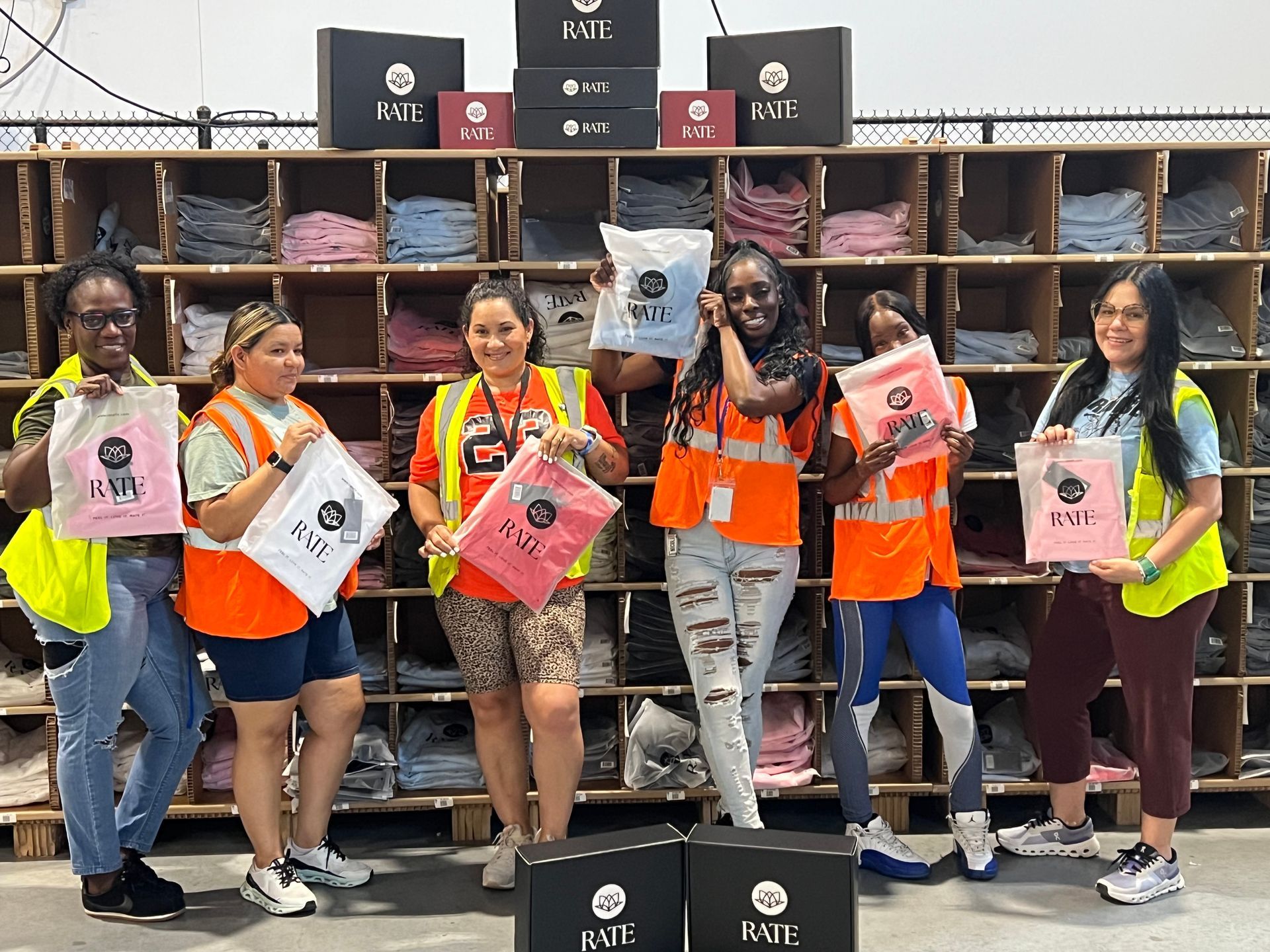
FRANKLIN, Mass., June 8, 2026 — ºÚÁÏÍø911 , a leading third-party logistics provider specializing in eCommerce fulfillment, announced a new partnership with RateFit , a Chicago-based athleisure brand under the Rate.com family of companies. “From the beginning, Barrett demonstrated the experience and capabilities we were looking for in a fulfillment partner,” said Jenny Sepulveda, president of RateFit. "During our visit, we were impressed by the scale of Barrett's operations and the team's ability to support our long-term growth plans. As we launch, it was important to find a fulfillment partner with apparel expertise, room to scale and the flexibility to support future value-added services." RateFit is a new business under the Rate.com umbrella. Inspired by the concept of living the 'Rate Life,' the brand offers an athleisure collection designed to transition seamlessly from recreational activities to everyday wear. “We’re super excited that the RateFit team chose Barrett to help launch their new brand,” said Harrison Smith , director, 3PL pricing and contract analytics at Barrett. “It’s been a pleasure working with Jenny and Mia throughout this process. With their passion and expertise in the space, I have no doubt it will become one of the leaders in the athleisure market, and we’re thrilled they trusted Barrett to be part of their journey.” RateFit is now live at one of Barrett’s Memphis, Tenn., fulfillment facilities, where Barrett provides direct-to-consumer fulfillment and parcel shipping services. The partnership supports the launch of RateFit’s which offers versatile apparel designed for everyday life from the studio to the office, coffee, and everything in between. Barrett’s fulfillment capabilities will help the brand efficiently serve customers nationwide as it scales its direct-to-consumer business. Barrett's Memphis operation is part of a nationwide fulfillment network supporting high-growth consumer brands across multiple industries. About RateFit RateFit is a Chicago-based athleisure brand under the Rate.com family of companies. Inspired by a wellness-focused lifestyle, the company offers versatile apparel designed for everyday life from the studio to office, coffee, and everything in between. Its collection combines performance, comfort and style to support consumers both on and off the course. About ºÚÁÏÍø911 Since 1941, Barrett has provided customized third-party logistics (3PL), direct-to-consumer (DTC) eCommerce fulfillment, omnichannel distribution, managed transportation solutions and retail compliance for clients across all industries, with a focus on apparel & footwear, health & beauty, consumer packaged goods (CPG) and education. Barrett continues to be a leading 3rd party logistics provider in North America, known for superior execution, customer engagement and direct access to senior leadership decision makers. As a member of Inc's fastest growing companies list 15+ times, Barrett is big enough to do the job and still small enough to deeply care about your business. Brands interested in a new 3PL partnership may contact Barrett directly here . Official Release Here Media Contact: Faith Artieda Marketing Content Specialist Faith.artieda@barrettdistribution.com
By Faith Artieda July 9, 2026
Your ecommerce business is thriving. Orders are flowing in through your Shopify store, Amazon sales continue to climb, and then it happens—you land your biggest opportunity yet: a purchase order from a major retailer like Walmart, Target, or Costco. It's the kind of milestone every growing brand works toward. But for many businesses, it's also where fulfillment becomes significantly more complicated. Suddenly, you're managing multiple sales channels, each with its own shipping requirements, inventory demands, compliance standards, and customer expectations. What worked when you were shipping directly to consumers may no longer be enough to support retail distribution. This is where omnichannel fulfillment becomes essential. In the first episode of Inside Barrett with Faith Artieda , Barrett's Senior Vice President of Customer Solutions, Scott Hothem , explained that omnichannel fulfillment isn't simply about shipping products through multiple channels—it's about having the operational expertise to manage every channel successfully while maintaining a consistent customer experience. More Than Shipping Orders Many people assume omnichannel fulfillment simply means offering multiple ways for customers to buy products. While that's true from the consumer's perspective, the logistics behind those purchases are entirely different. A customer placing an order on your website expects fast, accurate delivery to their front door. That order may include just one or two items that need to be individually picked, packed, and shipped. A retailer, on the other hand, might place a purchase order for thousands of units. Those shipments often require palletization, retailer-specific labels, advance shipment notifications (ASNs), routing guide compliance, scheduled delivery appointments, and strict packaging requirements. Missing even one requirement can result in costly chargebacks or delayed deliveries. "The channels are very, very different," Scott explained during the interview. "How you manage inventory is different. Those retailers often want unique SKUs that you don't sell on your primary direct-to-consumer website." Although both orders originate from the same inventory, they require completely different operational workflows. Growth Creates Complexity For many brands, expanding into retail feels like the natural next step—but it also introduces new challenges. Inventory must remain synchronized across every sales channel. Technology systems need to communicate seamlessly. Customer expectations continue to rise, and retailers demand near-perfect compliance. Without the right fulfillment strategy, brands can quickly become overwhelmed. That's why Scott believes the role of a 3PL extends far beyond storing inventory and shipping packages. At Barrett, the goal is to help brands navigate these transitions before they become problems. Whether a company is launching its first retail partnership or rapidly scaling its ecommerce business, Barrett works alongside customers to build fulfillment solutions that evolve with their growth—not solutions they'll outgrow in a year or two. As Scott put it during the interview, Barrett strives to become a brand's " forever 3PL " by supporting customers through every stage of their journey. Omnichannel Is About Visibility, Flexibility, and Partnership Successful omnichannel fulfillment requires much more than warehouse capacity. It depends on real-time inventory visibility, seamless technology integrations, retail compliance expertise, transportation management, and a fulfillment operation capable of adapting as customer demand changes. It also requires a logistics partner that understands your business well enough to anticipate challenges before they impact your customers. That's the approach Barrett has taken for more than 80 years. Rather than offering a one-size-fits-all fulfillment model, Barrett designs customized omnichannel solutions that allow brands to manage direct-to-consumer, wholesale, marketplace, and retail fulfillment through a single, integrated operation. With expertise in retail compliance, transportation management, value-added services, and advanced warehouse technology, Barrett helps brands simplify complex supply chains while preparing for future growth. Looking Ahead Today's consumers don't think about fulfillment channels—they simply expect their orders to arrive on time, regardless of where they made the purchase. For brands, meeting those expectations requires more than great products. It requires a fulfillment strategy built to support every channel, every customer, and every stage of growth. As Scott shared in Inside Barrett , the right 3PL doesn't just help you fulfill today's orders. It helps prepare your business for tomorrow's opportunities. And that's what omnichannel fulfillment is really all about.
By Faith Artieda July 7, 2026
Switching third-party logistics (3PL) providers isn't a decision most businesses take lightly. It requires time, planning, and trust. But staying with the wrong partner can cost even more—through missed shipments, unhappy customers, and lost opportunities for growth. So how do you know when it's time to make a change? One of the biggest signs is when your 3PL starts holding your business back instead of helping it move forward. Maybe customer service has become difficult to reach, order accuracy has declined, or you're constantly following up on issues that should have been resolved proactively. Your fulfillment partner should give you confidence, not create more work for your team.  Growth is another common reason brands switch providers. A 3PL that worked well when you were shipping a few hundred orders each week may not have the systems, technology, or expertise to support new retail partnerships, higher order volumes, or omnichannel fulfillment. As your business evolves, your logistics partner should evolve with it. It's also worth evaluating how your 3PL approaches the relationship. Do they take the time to understand your goals and recommend improvements, or are they simply processing orders? The best providers act as an extension of your business, offering strategic guidance, transparent communication, and solutions designed to support long-term success. At ºÚÁÏÍø911, we believe a successful partnership starts long before the first shipment leaves the warehouse. That's why we invest time upfront to understand each customer's business, design a customized fulfillment strategy, and build solutions that can scale as your company grows. Rather than focusing on short-term transactions, our goal is to become a long-term logistics partner that supports your business through every stage of growth. If your current 3PL is creating more challenges than solutions, it may be time to ask whether they're still the right fit. The best fulfillment partner isn't just the one that ships your orders—it's the one that helps your business grow with confidence.
More Posts